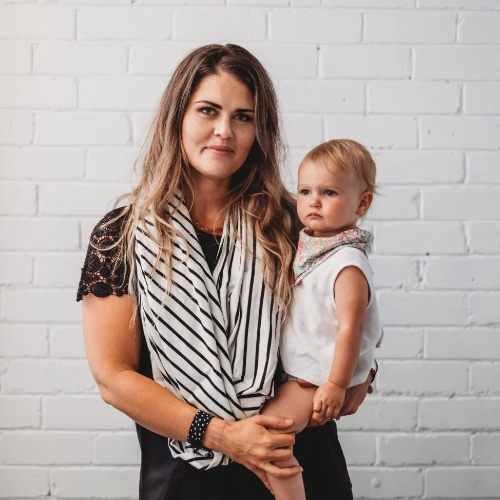


Finding the right baby carrier should not feel like assembling flat-pack furniture while a newborn screams at you. But for a lot of mums, that is exactly how it goes. You buy something that looks great online, wrestle with a seventeen-step instruction manual, use it twice, and shove it under the pram. This guide gives you real information so you can pick a carrier that actually works, and actually gets used.
Why Babywearing Is Worth Getting Right
Babywearing is not just about keeping your hands free, though that alone makes the newborn stage a lot more manageable. Carriers support your baby's hip development when used correctly, help regulate their body temperature, and can settle a fussy baby faster than most other things you will try. Research also links close physical contact with better feeding outcomes and reduced parental stress. It is one of those things that pays off when you get the fit right from the start.
If you are weighing up whether a stretchy wrap or a structured carrier suits your situation better, our comparison of the Boba Wrap versus the Boba Bliss carrier breaks down the differences clearly so you can decide without guessing.
Types of Baby Carriers Explained
Understanding the main types saves you from buying the wrong thing twice.
Stretchy Wraps
Stretchy wraps are long pieces of fabric you tie around your body. They have a learning curve but once you have the knot down, they are incredibly comfortable for newborns. The fabric distributes weight evenly across your shoulders and hips. They suit babies from birth up to around six months before most babies outgrow the stretch. Great for skin-to-skin and settling in the early weeks.
Structured Carriers
Structured carriers have buckles, padding and a waistband. They take seconds to put on once adjusted and are easy to pass between two parents. Most suit babies from around four months, though some work with a newborn insert. They carry heavier babies more comfortably over long periods.
Ring Slings
A ring sling is a single piece of fabric threaded through two rings. Quick to put on and off, useful for short carries, and compact in a bag. Better for experienced babywearers or for quick hip carries with older babies.
Woven Wraps
Woven wraps are longer, non-stretchy fabric wraps. Versatile and supportive for babies of all ages, but they take more practice to learn. Popular with committed babywearers who want one carrier that grows with their child.
What to Look for in the Best Baby Carrier in Australia
Australia's climate matters. A padded structured carrier in a Queensland summer is a sweaty experience for both of you. Breathable fabric, whether that is a lightweight cotton, a moisture-wicking mesh or a soft jersey knit, makes a real difference.
Beyond fabric, look for:
- An ergonomic seated position for your baby, knees higher than their bottom, sometimes called the M-position. This supports healthy hip development.
- A wide enough seat panel that supports from knee to knee as your baby grows.
- Adjustability. A carrier that fits both you and your partner is worth more than one that suits only one of you.
- Easy one-person operation. If you need an extra set of hands to get it on safely, you will use it less.
For safety guidance on babywearing and carrier positioning, Raising Children Network covers what to check for good fit and safe carry positions.
Organic and Affordable Options Are Not Mutually Exclusive
One of the most common search paths we see is parents looking for an organic baby carrier that does not cost a fortune. Organic cotton carriers are soft against newborn skin and free from synthetic finishes that can irritate sensitive skin. They are also generally more breathable than synthetic fabrics in warm weather.
Boba wraps are a good example. Made from a soft organic cotton blend, they are gentle on your baby's skin and comfortable for the person wearing them. If you want to understand why they have become a go-to for Australian mums, this piece on what makes Boba wraps popular is worth a read.
You can browse our full range of organic hands-free baby carriers to see current options and pricing.
Getting the Fit Right
A carrier is only as good as the fit. A poorly fitted carrier puts strain on your back and puts your baby in a position that can restrict their airway. Follow the TICKS checklist when babywearing:
- Tight: the carrier should be snug enough that your baby cannot slump.
- In view at all times: you should be able to see your baby's face without moving the carrier.
- Close enough to kiss: your baby's head should be close enough that you can kiss their forehead by tipping your chin down.
- Keep chin off the chest: there should be at least two fingers of space between their chin and their chest.
- Supported back: their back should be supported in a natural position, not curved into a C with their chin dropped.
For full positioning guidance and safety standards, the Australian Competition and Consumer Commission product safety site has information on what to check before and during use.
Where to Start If You Are Not Sure
If you are still deciding between a wrap and a structured carrier, start with the wrap if your baby is a newborn and you want that close, skin-to-skin feel. Start with a structured carrier if you want something quicker to put on and plan to use it for longer trips as your baby grows.
Our guide on buying a baby wrap in Australia covers what to expect with sizing, fabric and delivery so you know exactly what you are ordering. Or if you are ready to shop, browse our carrier collection here and find the one that fits your life.