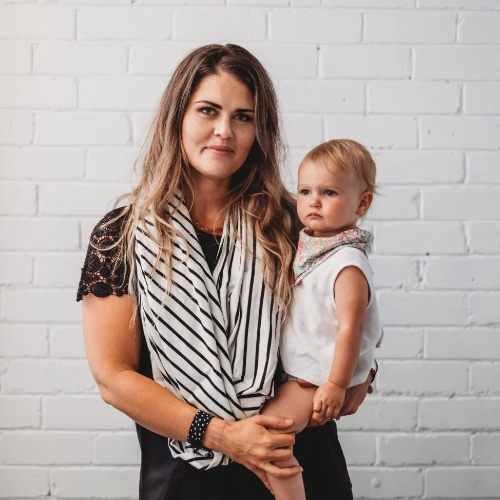


If your newborn only falls asleep while being held, you are not alone. Many parents go through this stage and wonder if they are doing something wrong.
The truth is, it is completely normal for babies to want to sleep in your arms, especially in the early weeks and months. Your baby has just spent nine months in a warm, secure environment, constantly close to you. Being held feels familiar, safe, and comforting.
Understanding why babies prefer contact sleep can help you feel more confident as you navigate those early nights and long cuddle sessions.
Babies Are Wired for Closeness
Newborns are biologically designed to stay close to their caregivers. In the early months, your baby relies on you for warmth, comfort, and regulation. When you hold them, they can hear your heartbeat, feel your breathing, and stay connected to your scent. All of these signals help your baby feel calm and secure.
This is why many babies settle quickly when held but wake the moment they are placed in a bassinet. For them, closeness equals safety. It is not a habit you have created. It is instinct, and it is working exactly as it should.
Research from Raising Children Network confirms that responding to your baby's cues, including the need for closeness, supports healthy attachment and emotional development in the early months.
Your Movement Helps Them Drift Off
Another reason babies fall asleep so easily in your arms is movement. Gentle rocking, walking, or even the natural sway of your body can mimic the motion your baby experienced in the womb. That rhythm helps calm their nervous system and makes it easier for them to drift off.
It is one of the reasons babywearing works so well during the newborn stage. A well-fitted carrier keeps your baby close and your hands free, which can make long settling stretches a little more manageable. Just check that your carrier meets Australian safety standards and that your baby's airway is always visible and clear.
Your Baby Is Still Adjusting to Life Outside the Womb
The newborn stage is a huge transition. Your baby is adapting to new sounds, lights, temperatures, and sensations, all at once. Being held helps them manage these changes more comfortably. Your arms provide warmth and reassurance while they find their footing in an unfamiliar world.
Over time, as your baby grows and becomes more familiar with their surroundings, they usually begin to settle more easily in their own sleep space. That shift happens gradually, not overnight, and it looks different for every baby.
Safe Sleep Basics Worth Knowing
Because contact sleep is so common, it helps to know a few safe sleep basics so you can make informed decisions, especially on the harder nights.
Red Nose Australia recommends always placing your baby on their back to sleep, on a firm and flat surface, with their face and head uncovered. A safe sleep space means no pillows, no loose bedding, and no soft toys until at least seven months. Red Nose prefers nothing in the sleep space for the first twelve months.
For wrapping, Red Nose recommends lightweight cotton or muslin wraps. Stop wrapping at the first signs of rolling, or at three months, whichever comes first.
To check if your baby is dressed comfortably for sleep, dress them as you would dress yourself for the room. Keep their head and face uncovered. Feel their tummy or back to gauge warmth. Cool hands and feet are completely normal. If your baby feels hot, sweaty, or clammy, remove a layer.
Finding a Rhythm That Works for Your Family
While contact sleep is normal, it can also be exhausting. That is real, and it is worth acknowledging. Most parents find that a consistent, simple settling routine makes a difference over time, even if progress feels slow.
A few things that can help:
- Try a short wind-down before sleep, such as a feed, a gentle pat, and dim lighting. Consistency helps your baby begin to recognise sleep cues.
- Experiment with placing your baby down during a lighter sleep cycle rather than in a deep sleep. Watch for the moment their body softens and their limbs go heavy.
- Babywearing during naps can give you back some movement and keep your baby settled without needing to be sat down.
- If your baby wakes on transfer, a warm (not hot) water bottle placed briefly on the bassinet sheet before you lay them down can reduce the temperature difference. Remove it completely before placing your baby in.
- Some babies respond well to white noise that mimics the sounds of the womb. A simple app or a fan in the room can help mask household sounds that cause startling.
None of these are guaranteed fixes. They are options to try, and some will suit your baby more than others. What works at six weeks may not work at ten weeks, and that is normal too.
When to Ask for Extra Support
If contact sleep is leaving you severely sleep-deprived or you are struggling to stay safe while settling your baby, it is worth reaching out for support. Your child health nurse is a great first point of contact. They can assess your baby's sleep patterns in context and connect you with local resources.
If you are worried about falling asleep while holding your baby on a sofa or armchair, that is a risk worth taking seriously. Couches and armchairs are not safe sleep surfaces. If you think you may fall asleep during a night feed, move to a firm surface and plan for someone else to take a shift where possible.
This Stage Is Temporary
If your baby only sleeps when held right now, it can feel relentless, particularly during long nights. But this stage does pass.
As your baby grows and develops, their sleep patterns gradually shift. Many babies become more comfortable sleeping independently as they gain confidence in their environment and their own ability to self-settle. That development takes time and cannot be rushed, but it does happen.
For now, those sleepy cuddles and quiet moments together are simply part of early parenting. And while it may not always feel easy, that closeness is helping your baby feel safe, loved, and secure. That matters more than you might realise in these early weeks.