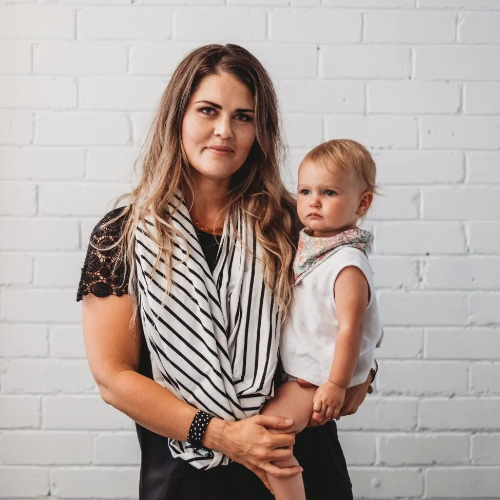


Baby first foods arrive faster than most mums expect. One week you're exclusively feeding milk, and the next you're googling puree recipes at midnight. This guide covers what you need to know, from timing and textures to keeping mealtimes calm and low-pressure, with a focus on organic, gentle options your baby will actually eat.
Part of our complete guide to silicone baby feeding sets.
When Are Babies Ready for First Foods?
Most babies are ready around six months. Look for a combination of readiness signs, not just one on its own.
- Sits upright with minimal support
- Shows clear interest in food (watching you eat, reaching for your plate)
- Has lost the tongue-thrust reflex that pushes food back out
- Can move food to the back of the mouth and swallow
Starting before four months is not recommended. The Raising Children Network guide to starting solids is a reliable reference if you want detailed, age-by-age guidance backed by Australian health advice.
Best Organic Baby First Foods to Introduce
Starting with single-ingredient purees makes it easier to spot any reactions. Organic options reduce exposure to pesticide residues, which matters when tiny digestive systems are still developing.
- Pureed sweet potato or pumpkin
- Mashed ripe avocado
- Smooth apple or pear puree (steamed)
- Iron-fortified baby rice cereal mixed with breast milk or formula
- Pureed chicken or legumes for iron
- Mashed banana
Iron is a priority from six months. Breast milk alone does not provide enough iron at this stage, so including iron-rich foods early makes a real difference. If you want to make your own meals from scratch, our simple organic baby food recipes are a practical starting point.
Textures and Progression
Start smooth and thin. Gradually thicken textures as your baby gets more confident. Most babies move through stages like this:
- Months 6 to 7: Smooth purees, very runny consistency
- Months 7 to 9: Mashed textures, soft lumps introduced
- Months 9 to 12: Soft finger foods, small pieces they can pick up
Baby-led weaning (offering soft finger foods from the start) is another approach some families prefer. Both puree-led and baby-led methods work well. The right choice depends on your baby and what suits your household routine.
Keeping Mealtimes Low-Stress
Mess is part of the process. A relaxed, exploratory approach to mealtimes helps babies build a positive relationship with food early on.
A few things that help:
- Offer solids when your baby is alert and content, not overtired or hungry to the point of frustration
- Sit together and eat at the same time when possible
- Let your baby touch and explore food, even if very little goes in at first
- Keep portions tiny to start. A teaspoon is plenty in the first week
Cleaning up after solids becomes its own task quickly. Soft, absorbent face cloths work well for wiping little faces and hands mid-meal. Browse our organic muslin and bamboo baby washcloths if you want something gentle enough for sensitive skin around the mouth.
Foods to Avoid in the First Year
Some foods pose genuine safety or health risks before twelve months.
- Honey (risk of infant botulism)
- Cow's milk as a main drink (small amounts in cooking are fine)
- Added salt and added sugar
- Hard raw vegetables or whole nuts (choking risk)
- Unpasteurised products
The Product Safety Australia choking hazards guide outlines safe food sizes and shapes by age, and is worth bookmarking before you introduce finger foods.
Common Questions About Organic Baby Food
Does organic actually matter?
Certified organic produce is grown without synthetic pesticides or fertilisers. For babies eating small amounts of the same foods repeatedly, choosing organic where you can is a reasonable precaution. It does not need to be every item, prioritise the foods your baby eats most often.
How many times a day should I offer solids?
Once a day is enough to start. By around eight to nine months, most babies are eating two to three small meals. Milk (breast or formula) remains the main nutrition source through the first year.
What if my baby refuses food?
Refusal is normal and rarely a cause for concern. Keep offering without pressure. Babies often need to see a new food many times before accepting it. Consistency matters more than volume in the early weeks.
Mealtime exploration can get messy fast. If you are building out your feeding kit, our soft organic face cloths for babies are designed to handle the daily clean-up without irritating delicate skin.