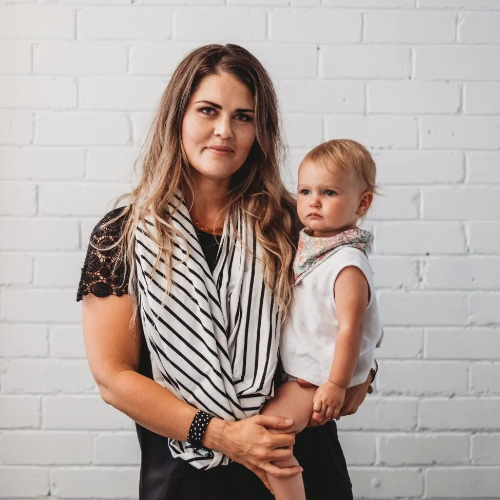


Building a babies wardrobe from scratch sounds simple until you're staring at a wall of tiny clothes and wondering how many onesies is too many. The answer: fewer than you think. A smaller, smarter wardrobe means less laundry chaos, faster dressing, and no wasted money on sizes your baby outgrows in three weeks.
This guide covers exactly what your baby needs to stay warm and comfortable through winter, without the drawer overflow.
Why a Minimal Baby Wardrobe Works Better
Babies grow at a pace that makes bulk buying risky. A size 000 fits most newborns for roughly four to six weeks. Size 00 tends to last a little longer, but every baby is different. Buying too much in one size almost always means clothes that are worn once or never at all.
A minimal wardrobe also makes dressing faster. When everything in the drawer is useful, you spend less time hunting for matching pieces and more time actually getting out the door. If your baby is already fussing during outfit changes, keeping things simple really does help. There are also some practical strategies worth trying if your baby resists getting dressed, including choosing easy-access necklines and avoiding fiddly fastenings.
Baby Warm Clothes for Winter: What You Actually Need
Winter dressing is about layering, not loading your baby up with one thick item. Layers let you add or remove warmth quickly as your baby moves between a cold car and a warm shop.
Here is a practical winter wardrobe breakdown by category:
Bodysuits and Onesies
- Aim for 5 to 7 long-sleeve bodysuits in your baby's current size.
- Choose envelope necklines or wide neck openings. They are much easier to pull over a wriggly head.
- Snap closures at the bottom make nappy changes faster, especially at night.
Sleepwear
- 2 to 3 footed sleepsuits or zip-up grows are enough when you wash regularly.
- Look for a single zip that runs from neck to ankle. Avoid styles with multiple snaps for overnight changes in the dark.
- Check the tog rating on sleeping bags if you use them, and match to your room temperature. Red Nose Australia has clear guidelines on safe sleep environments and appropriate layers for overnight sleep.
Mid Layers and Knitwear
- 1 to 2 lightweight knit cardigans or zip-through tops for layering over bodysuits.
- Avoid anything with loose buttons or embellishments that could detach.
Outerwear
- One good pram suit or padded jacket is enough for most Australian winters.
- Skip heavy bunting bags if you use a car seat. Thick padding compresses in a crash and reduces harness effectiveness. Product Safety Australia explains how to dress babies safely in car seats.
Extras Worth Having
- 2 to 3 pairs of scratch mitts for newborns.
- A couple of soft hats for outdoors.
- At least 4 to 6 muslin wraps. They do far more than swaddling. Use them as a pram cover, a feeding cloth, a change mat liner, or an extra layer on cold days. If you are still deciding between wrap types, it is worth reading about whether stretchy or muslin swaddles suit your baby better.
Choosing Colourful Baby Clothes Without the Clutter
There is no rule that says a minimal wardrobe has to be all white and beige. A small collection of colourful baby clothes works just as well, as long as the pieces are versatile enough to mix and match. Stick to a loose colour palette so everything works together. That way you can dress your baby quickly without thinking too hard about what goes with what.
Soft, breathable fabrics are worth prioritising in winter. Bamboo is a popular choice because it is silky against sensitive skin, moisture-wicking, and regulates temperature well, useful when babies move between heated indoor spaces and cold outdoor air. Organic cotton is another reliable option, with a soft hand feel and good durability through repeated washing.
If you are putting together a newborn wardrobe from scratch or topping up between sizes, our newborn clothing edit brings together thoughtfully chosen essentials across sizes, so you can pick exactly what you need without overbuying.
How to Size a Winter Baby Wardrobe by Age
Australian clothing sizes are based on height, not age, which is more useful since babies vary so much.
- 000 fits approximately 0 to 3 months, up to 62 cm.
- 00 fits approximately 3 to 6 months, up to 68 cm.
- 0 fits approximately 6 to 12 months, up to 74 cm.
If your baby is between sizes, size up. Clothes that are slightly too big are easier to get on and off, and your baby will grow into them quickly. Clothes that are too small restrict movement and make for a fussier baby.
Keep the wardrobe lean, wash regularly, and add pieces only when you genuinely need them. That approach saves money, saves space, and makes every single morning a little bit easier.