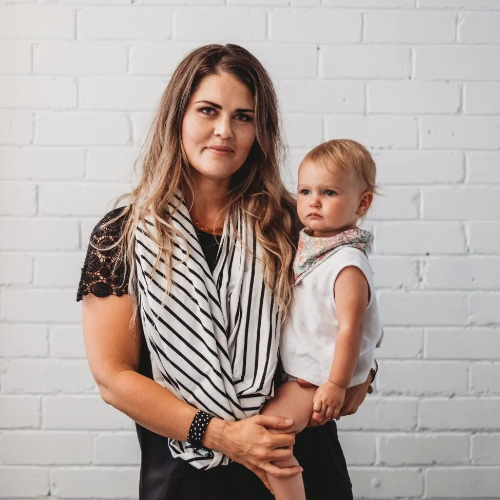


Finding exclusive infant products online in Australia takes more than a quick scroll. The options are endless, the marketing is loud, and it is genuinely hard to know what a newborn actually needs versus what looks good in a flat lay. This guide cuts straight to what matters: fabric quality, safety standards, and products built for real life with a baby.
Why Exclusive Infant Products Online Outperform Generic Alternatives
Mass-produced baby gear fills shelves with similar-looking items at similar price points. Exclusive infant products are different. They are designed with a specific problem in mind, made from materials chosen for performance, and often produced in smaller runs with tighter quality control.
What that means for you in practice: fewer items that pill after two washes, fewer snaps that pop open overnight, and fewer products you quietly retire by week three. Buying fewer, better things saves money over time and creates less clutter in an already busy household.
If you want products made closer to home, our locally crafted baby essentials are a good place to start. Australian-made items are held to strict consumer product safety standards and support local makers.
What to Look For When Shopping Baby Products Online
Shopping for a newborn without being able to touch the product first requires a different checklist. These are the things worth checking before you add to cart.
Fabric and Material Quality
Newborn skin is sensitive. Look for fabrics that are soft, breathable, and moisture-wicking against the skin. Organic cotton and bamboo blends are popular for good reason. Bamboo is silky against skin, lightweight, and helps regulate temperature, which matters for a baby who cannot tell you they are too warm.
Check for OEKO-TEX certification on any textile product. This certification confirms the fabric has been tested for harmful substances. It is one of the clearest independent signals of material safety you can find on a product listing.
Safety Standards in Australia
Australian Consumer Law requires that baby products meet mandatory safety standards. For items like cots, prams, highchairs, and nursery furniture, look for compliance with the relevant Australian Standard marked on the product or listing.
For safe sleep specifically, the guidance from Red Nose Australia is the most current and evidence-based resource available. Their safe sleep recommendations cover everything from sleep surface firmness to room temperature and sleeping position. Bookmark it before your baby arrives.
The Australian Competition and Consumer Commission product safety site also publishes recalls and safety alerts for baby and children's products. Worth checking if you are buying secondhand or if a product has been sitting in storage.
Functionality Over Aesthetics
A beautiful product that is awkward to use at 3am is not a good product. When reading listings, look for practical details: how many poppers does the onesie have, does the swaddle have clear wrapping instructions, is the nappy bag waterproof where it counts. If a brand cannot answer those questions in their product description, that is a signal worth noting.
Patented and Unique Infant Products: Are They Worth It?
Some products carry patents because the design genuinely solves a problem in a new way. A patented buckle system, an ergonomic carrier design, or a feeding tool with a clinical background can all be worth the premium. The question to ask is simple: what specific problem does this solve, and does the evidence support the claim?
Be cautious of vague claims like "clinically proven" without a citation, or endorsements that cannot be traced to a real source. Good products do not need invented proof. If you are still figuring out your list, this article on how new mums decide what baby products to buy is practical reading before you commit to a big order.
Building a Practical Newborn Product List
Every baby is different, but most newborns share the same basic needs in the first three months. A solid starting list looks like this:
- Five to seven bodysuits in newborn and 000 sizes
- Three to four sleepsuits or growsuits
- Two to three swaddles or wraps in a breathable fabric
- A safe, firm sleep surface that meets Australian standards
- Nappy changing essentials including a waterproof mat
- A sling or carrier suited to a newborn's spine and hip development
- A few muslin cloths, because you will always need more than you think
Buy less in newborn size than you expect. Babies grow fast and some skip certain sizes entirely. Stock up more heavily in 000 and 00.
For a curated selection of quality essentials made right here, browse our Australian made range for pieces that combine thoughtful design with local quality standards.
Organic and Sustainable Options for Baby
Organic certification on baby textiles means the cotton was grown without synthetic pesticides or fertilisers. For a baby spending most of their day in contact with fabric, that is a reasonable thing to prioritise. Look for GOTS (Global Organic Textile Standard) certification alongside OEKO-TEX for the most thorough coverage.
Sustainable baby products are not just better for the environment. They tend to be made with more care overall, which usually shows in how they hold up after repeated washing. A well-made organic swaddle washed fifty times still performs. A cheap alternative often does not make it past ten.