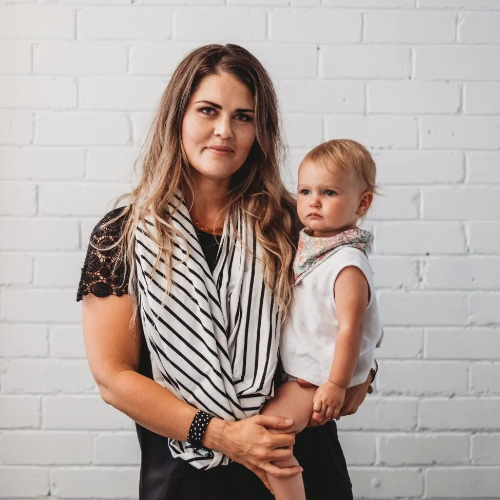


A breastfeeding cover is not for every mum, but for many it makes feeding in public feel easier, calmer and more comfortable. If you are weighing up whether to buy one, this guide breaks down the practical reasons to use one, what to look for, and how to decide if it suits your feeding style.
How Often Will You Need to Feed in Public?
Newborns feed often. Most feed 8 to 12 times in a 24-hour period in the early weeks. That frequency does not slow down just because you are out of the house. If you plan to leave home regularly, that means feeding at cafes, shopping centres, parks or in the car between errands.
The more you are out and about, the more useful a cover becomes. It gives you a consistent setup wherever you are, so feeding feels less improvised and more routine. That consistency can make a real difference, especially in the first few months when you are still finding your rhythm.
If you mostly feed at home and rarely head out, a cover may sit unused. But if you are an active mum who wants to keep your usual life ticking along, it is worth having one on hand.
Do You Need a Nursing Cover? Honest Answers
No, you do not need one. Breastfeeding in public is legal across Australia. You have the right to feed your baby anywhere you are allowed to be, without covering up. For more detail on your legal protections, read about breastfeeding in public in Australia and what the law says.
That said, many mums choose to use a cover not because they feel pressured to, but because it helps them feel more at ease. It can reduce distraction for a baby who is easily pulled off the breast by movement or noise. It can also give you a moment of privacy in a busy environment, which some mums find genuinely settling.
The Australian Breastfeeding Association supports every mum's right to feed in whatever way feels right for her, covered or not. The goal is a feeding relationship that works for both of you.
What to Look for in a Breastfeeding Cover
If you decide a cover suits your needs, fabric and fit matter more than most people expect. Here is what to check before you buy.
Fabric
Breathable fabric is essential. A cover that traps heat will make your baby uncomfortable and may cause them to pull away. Look for muslin, cotton or bamboo. Bamboo is particularly good because it is soft, lightweight and moisture-wicking, which helps keep both of you cool during a feed.
Fit and Coverage
A good cover should drape generously without needing to be held in place. Some styles tie at the neck, others use a structured boning at the neckline so you can see your baby while feeding. Full-coverage styles work well for mums who prefer maximum privacy. Infinity scarf styles are more minimal and double as a regular accessory.
How Many Do You Need?
One is usually enough to start. If you are out most days, having two means one can be in the wash without leaving you without a backup. More than two is rarely necessary.
For a thorough breakdown of styles and what suits different feeding situations, the complete guide to nursing covers in Australia covers everything in detail.
When a Cover Is Especially Useful
A breastfeeding cover tends to be most useful in these situations.
- Your baby is easily distracted during feeds and needs a quieter, dimmer environment to latch and stay on.
- You are feeding in a very public or noisy place and want to create a calmer space.
- You feel more comfortable with added coverage and that confidence helps you feed for longer without stress.
- You are returning to work part-time and feeding or expressing in shared spaces.
- You are travelling and feeding in unfamiliar environments more often than usual.
If any of these sound familiar, a cover is likely worth adding to your kit. If none of them apply, you may find you do not reach for it much.
How to Choose the Right One for You
The best cover is the one you will actually use. Think about your typical outing. Are you moving around a lot, sitting at a cafe, or heading to appointments? A lightweight, packable style suits an active day. A structured apron style suits longer, more settled feeds.
If you are not sure where to start, this guide on choosing a breastfeeding cover walks through the key differences between styles so you can match a cover to how you actually feed.
You can also browse our nursing and breastfeeding covers to see the full range, including breathable muslin and bamboo options suited to the Australian climate.