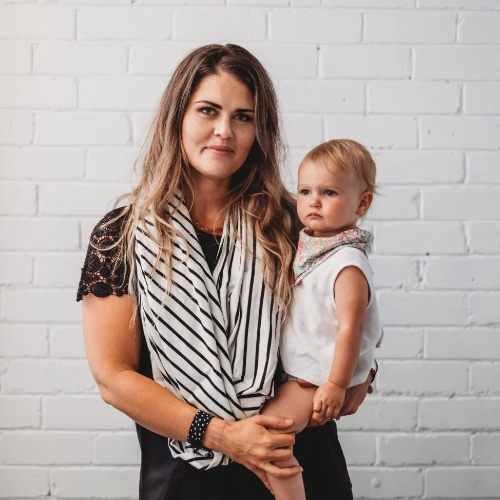


If you've ever gone through four outfit changes before 10am, you already know how much work a good bib can do. For New Zealand parents navigating the overwhelming world of baby accessories, the choice between muslin and linen bandana dribble bibs is a surprisingly practical one , and the right pick can make a real difference to your day.
At Zoe Sage, we're an Australian baby and toddler brand shipping premium organic essentials to NZ families every week, with tracked delivery straight from our warehouse. Our range includes both organic muslin bibs and linen bandana dribble bibs, so we're not here to push one over the other. This guide is simply about helping you find what works best for your baby, your budget and your lifestyle.
Muslin vs Linen Bandana Bibs: Understanding the Difference
Before you can choose, it helps to know what you're actually comparing. These two bib styles differ in fabric, construction, absorbency and the situations they're best suited to.
What are organic muslin bibs?
Muslin is a loosely woven cotton fabric known for being lightweight, breathable and soft against newborn skin. Organic muslin bibs are made from cotton that's grown without synthetic pesticides or fertilisers, making them a popular choice for parents who want to minimise what touches their baby's skin.
Our Organic Muslin Baby Bibs come in packs of five and are available in four beautiful colourways: Golden Harvest, Lavender Blush, Earth and Sky, and Dusty Dunes. Each pack gives you enough bibs to rotate through the day without constantly running the washing machine, which is a genuinely practical bonus for busy NZ families.
Muslin bibs typically have a broader, more structured shape that sits across the chest. They're designed to catch milk dribble, posset and food spills, and they tend to be the go-to for the newborn and early feeding stage.
What are linen bandana dribble bibs?
Linen is a natural fibre made from the flax plant. It's breathable, strong and gets softer with every wash, which makes it a brilliant long-term investment. The bandana shape, that diagonal triangle sitting at the front of the neck, is both functional and stylish. It blends into an outfit rather than covering it, which many parents prefer as babies get older and outings become more social.
Our Linen Bandana Dribble Bib range includes the playful Little Leopard print and the versatile Charcoal colourway. If you want to browse the full range and find something that works with your baby's wardrobe, you can shop our linen bandana bib collection here.
Comparing What Matters: Absorbency, Style, Durability and Value
Now for the practical side. Here's how the two bib types stack up across the criteria that NZ parents actually care about.
Absorbency
Muslin wins on raw absorbency. The open weave of the fabric soaks up liquid quickly, making muslin bibs excellent for heavy dribblers, bottle-fed babies who posset often, and the early stages of introducing solids. If your baby is going through a teething phase with constant saliva, a muslin bib will handle the volume better.
Linen bandana bibs are absorbent, but in a different way. Linen absorbs moisture and then releases it relatively quickly, so it doesn't stay damp against the skin for long. For moderate dribblers or babies who wear bibs more as a style piece than a necessity, linen is a comfortable, breathable option that doesn't feel soggy.
Best for heavy dribblers: Organic muslin bibs.
Best for moderate dribblers or older babies: Linen bandana bibs.
Style
This is where linen bandana bibs genuinely shine. The triangle shape sits neatly at the collar and doesn't interrupt the look of an outfit. For parents who put effort into their baby's wardrobe, or who want photos that don't look like a constant mess, the bandana style is a natural fit. The Linen Bandana Dribble Bib in Charcoal pairs with almost anything, while Little Leopard adds personality without being loud.
Muslin bibs have come a long way in terms of colour and print, and our packs like Organic Muslin Baby Bibs - Lavender Blush and Organic Muslin Baby Bibs - Earth and Sky are genuinely lovely. But their broader shape does sit more prominently on the chest. That's a practical feature, not a flaw , it just depends on what you're after.
Best for style-conscious parents: Linen bandana bibs.
Best for newborn practicality: Organic muslin bibs.
Durability
Both fabrics are durable when cared for correctly. Muslin softens with every wash and maintains its shape well over time, though very frequent machine washing can cause some fraying at the edges if the stitching isn't reinforced. Our muslin bibs are made to hold up through repeated use, which is why we sell them in packs of five , daily rotation extends the life of each individual bib.
Linen is naturally one of the strongest natural fibres available. It becomes softer and more pliable with washing, but it doesn't lose its structure. A good quality linen bib can easily last from babyhood into the toddler years.
Best long-term investment: Linen bandana bibs.
Best value for the newborn stage: Organic muslin bibs in multi-packs.
Value and Price
For NZ shoppers, value is about more than just the sticker price. Our Organic Muslin Baby Bibs packs offer excellent per-bib value, and buying in a set of five means you're set up from day one without needing to reorder quickly. If you're ordering as part of a new baby gift or stocking up on essentials, it's worth noting that Zoe Sage offers free shipping to New Zealand on orders over $150 NZD, with everything tracked from our Australian warehouse so you always know where your order is.
Linen bandana bibs are priced individually and represent a slightly higher per-unit cost, but given their durability and versatility across age groups, they're a smart addition once your baby is past the newborn stage. Many parents keep a couple of linen bandana bibs in their nappy bag for outings while using muslin bibs at home.
If you're building out your baby accessories kit and want some guidance on sizing essentials for NZ, our guide to Size 00 baby clothes in NZ covers what to stock up on and when , with bib recommendations woven in.
How to Choose the Right Bib for Your Baby
There's no single correct answer here. The best baby bib for your NZ family depends on your baby's age, dribble levels and your day-to-day routine. Here's a simple way to think about it:
Choose organic muslin bibs if:
- Your baby is a newborn or under six months
- They dribble or posset heavily
- You want a multi-pack that covers you through the week without extra washing
- You're building a gift hamper and want a practical, well-received option
Choose linen bandana bibs if:
- Your baby is older and dribbling due to teething rather than feeding
- You want something that looks neat and styled for outings or photos
- You're after a bib that will last well into the toddler years
- You want a lightweight option for your nappy bag or pram
Many parents find the sweet spot is using both: muslin bibs during feeds and messier moments at home, and a linen bandana bib when you're heading out. It's also worth reading our article on why babies dribble if you're wondering whether your baby's dribble volume is typical or related to teething and development , it's genuinely reassuring reading.
And if you're shopping for a newborn and want to understand sizing across both Australian and New Zealand conventions, our complete guide to 000 baby size for NZ newborns is a helpful starting point, including which accessories are worth buying in which sizes.
Caring for Your Bibs (So They Last)
Both muslin and linen bibs are machine washable, which is non-negotiable when you're going through several a day. A few tips to keep them in good shape:
- Wash at 30 to 40 degrees to protect the fibres and any prints
- Avoid fabric softener on muslin , it can reduce absorbency over time
- Linen bibs can be line dried or tumble dried on a low setting
- Give linen a quick iron or fold while still slightly damp to keep it looking tidy
- Rotate your muslin bib pack evenly so all five bibs wear at the same rate
Frequently Asked Questions
Are muslin bibs safe for newborns?
Yes. Organic muslin is a soft, lightweight and breathable fabric that sits gently against newborn skin. The key is ensuring the bib fastens securely and doesn't have any loose parts. Always supervise your baby when they're wearing any bib, and remove it before sleep. For general safe sleep guidance, Red Nose Australia has clear and up-to-date resources on what should and shouldn't be in your baby's sleep space.
How many bibs does a NZ parent actually need?
It really depends on your baby's dribble level and how often you do laundry. As a rough guide, newborns and heavy dribblers can go through five to eight bibs a day, so a pack of five muslin bibs is a great starting point. Many parents end up with eight to twelve on rotation. A couple of linen bandana bibs for outings rounds out the collection nicely without overdoing it.
What's the difference between a dribble bib and a feeding bib?
Dribble bibs, including both muslin and linen bandana styles, are designed for everyday moisture management: saliva, posset and light food dribble. Feeding bibs or weaning bibs are usually larger with a pocket at the bottom to catch food as babies start solids. If you're in the early solid-food stage, you may want to add a larger bib to your kit alongside your dribble bibs.
Do you ship bibs to New Zealand?
Yes. Zoe Sage ships all orders to New Zealand from our Australian warehouse, and every order is tracked. Free shipping is available on NZ orders over $150 NZD. Orders typically arrive within a few business days depending on your location.