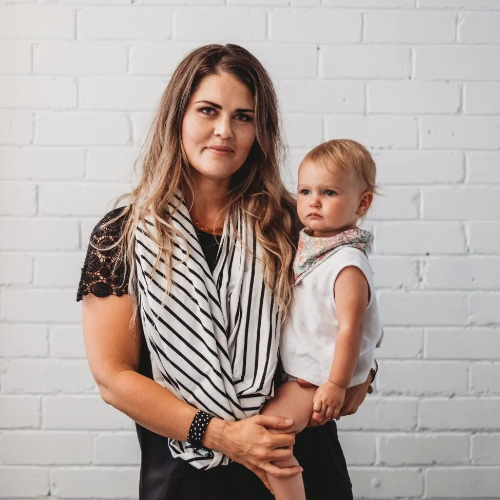


A baby bib collar that fits well and stays put sounds simple. In practice, most parents cycle through three or four styles before finding one that works. If your baby keeps yanking their bib off, there is usually a clear reason behind it, and a straightforward fix.
Part of our complete guide to silicone baby feeding sets.
Why Babies Pull Off Their Bib
Babies are sensory explorers. Anything touching their neck or chest gets investigated, grabbed, and removed. It is not defiance. It is curiosity combined with developing motor skills. That said, some bibs make the problem worse by design.
- Scratchy or stiff fabric irritates sensitive skin around the neck.
- Velcro closures are easy for little fingers to rip open.
- Bulky bibs sit awkwardly and distract babies during feeds.
- Bibs that are too loose flap around and invite grabbing.
- Bibs that are too tight feel uncomfortable and cause fussing.
Understanding why babies dribble in the first place can also help you choose the right bib style for each stage. A light dribbler needs something very different from a baby cutting molars.
Disposable Bib Collars: Are They Worth It?
Disposable feeding bibs and bib collars have grown in popularity for travel, day care drop-offs, and restaurant meals. They are convenient. You do not need to carry home a soaked bib in your nappy bag. That said, they come with trade-offs.
- Most disposable options use plastic-backed paper, which can feel crinkly and strange against the skin.
- The adhesive strips that hold them closed sometimes catch on fine baby hair.
- They are not cost-effective for everyday home use.
- Environmental impact adds up quickly with daily use.
For regular feeds, a well-made reusable bib is a better investment. For occasional outings, disposables can fill the gap.
At What Age Do Babies Wear Bibs?
Bibs are useful from birth. Newborns who bring up milk after feeds benefit from a soft cloth bib that protects their outfit without irritating their skin. Dribble bibs come into their own around three to four months, when saliva production ramps up ahead of teething.
Feeding bibs for solids typically start around six months, when most babies begin eating purees. According to Raising Children Network, most Australian families start solids between four and six months with guidance from their GP or child health nurse.
If you are watching for early teething signs, our guide on how to tell if your baby is teething covers the signals worth knowing. Teething often brings a sudden increase in drool, which means your bib needs will shift quickly.
As for when toddlers stop wearing bibs, there is no set age. Many children move away from them between 18 months and three years. Follow your child's lead and their mess levels.
How to Stop Your Baby Pulling Off Their Bib
The solution is usually about fit, fabric, and fastening. Here is what to look for.
- Choose snap closures over velcro. Snaps are harder for small fingers to undo.
- Look for a soft, lightweight fabric that does not bulk up around the neck.
- Make sure the bib sits flat against the chest rather than sticking out.
- Size matters. A bib that gapes at the neck will be pulled off within seconds.
- Introduce the bib calmly before each feed so it becomes a familiar routine cue.
Bandana-style bibs work particularly well for dribble management because they sit naturally at the neckline, similar to an accessory rather than a cover. Babies often tolerate them better than traditional bib shapes. You can browse our linen bandana dribble bibs designed to stay comfortable through long stretches of wear.
For a deeper look at what makes one dribble bib better than another, the bandana bib buying guide covers fabric, absorbency, sizing, and what to avoid in cheaper options.
What Makes a Good Bib for Older Babies and Toddlers
Older babies feeding themselves need more coverage. A small dribble bib will not handle a bowl of pasta or mashed sweet potato. Look for full-coverage feeding bibs with a food catcher pocket. Silicone bibs with a deep pocket are easy to wipe clean. Fabric bibs with water-resistant backing are softer but take longer to dry.
For toddlers who resist everything, short meal sessions and consistent bib routine tend to work better than switching products constantly. Keep the bib on for the meal, remove it straight after, and stay consistent.
If absorbency for drool is the main challenge, linen and cotton blend bibs tend to outperform synthetic fabrics. Our absorbent linen dribble bibs are a practical starting point for families dealing with heavy droolers.