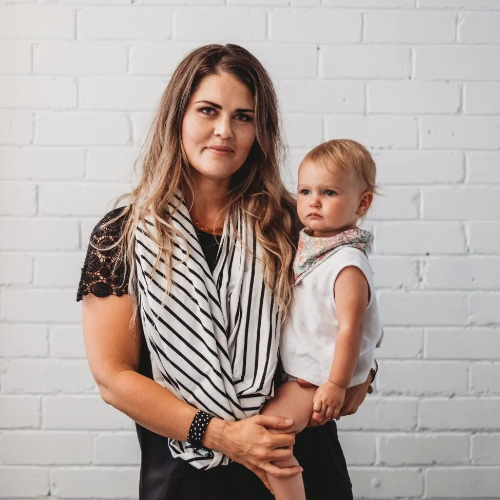


Baby dribble is one of those things no one warns you about quite enough. Your newborn arrives, and suddenly you own more bibs than you ever thought possible. There are real reasons behind all that drool, and knowing them helps you manage it better.
Why Do Babies Dribble So Much?
Babies produce more saliva than they can swallow. Simple as that. Their swallowing reflex is still developing, so the excess spills out. It is completely normal and usually nothing to worry about.
The main reasons babies dribble include:
- Immature swallowing control. Newborns and young babies have not yet learned to manage saliva efficiently. The muscles needed for swallowing develop gradually over the first months.
- Teething. Saliva production ramps up significantly when teeth are pushing through the gums. This can start as early as 2 to 3 months, well before a tooth actually appears.
- Oral exploration. Once babies start mouthing toys and hands, saliva flow increases. It is part of how they learn about the world around them.
- Digestive enzyme production. Saliva contains enzymes that prepare the gut for solid foods. The body starts ramping this up before solids even begin, usually around 3 to 4 months.
Why Is My 2 Month Old Dribbling So Much?
It catches a lot of parents off guard. Most people expect teething to be the culprit, but at 2 months your baby almost certainly is not teething yet. The real reason is simpler. The salivary glands switch on in a big way around 6 to 8 weeks, producing far more saliva than a young baby can swallow comfortably.
At this age the swallowing muscles are still immature. The saliva has nowhere to go but out. It is a normal developmental milestone, not a sign anything is wrong. The dribbling often settles a little by 4 to 5 months as swallowing coordination improves, then picks up again when teething begins.
If your 2 month old is dribbling heavily but feeding well and gaining weight, there is nothing to worry about. Mention it to your child health nurse at your next visit if you are unsure.
When Does Baby Dribbling Start and Stop?
Most babies start dribbling noticeably from around 2 to 3 months. It often peaks between 3 and 6 months, then again during active teething phases. By around 18 to 24 months, most toddlers have enough muscle control to manage their saliva without the constant drool.
Every baby is different. Some dribble heavily from early on. Others barely soak a bib. Both are normal.
Is Heavy Dribbling Ever a Concern?
Usually no. But there are a few situations worth mentioning to your GP or child health nurse:
- Dribbling that continues well past 2 years without any improvement
- Difficulty swallowing food or liquids alongside heavy dribbling
- Dribbling that appears suddenly in an older baby who was not doing it before, especially alongside other symptoms like fever
In most cases, persistent dribbling is just a developmental phase. Keep the skin dry and protected, and it will resolve on its own.
Protecting Your Baby's Skin from Dribble Rash
Constant moisture on the chin and neck is the main problem with heavy dribbling. It breaks down the skin barrier and leads to redness, chapping, and rash. A few practical habits make a real difference:
- Pat the skin dry gently rather than wiping. Friction makes irritation worse.
- Apply a thin layer of barrier cream or coconut oil to the chin and neck before sleep and feeds.
- Change bibs frequently. A damp bib sitting against skin causes more irritation than the drool itself.
- Use soft, absorbent bibs that wick moisture away rather than hold it against delicate skin.
The fabric of the bib matters more than most people realise. Synthetic fabrics trap moisture. Natural fibres like linen and cotton breathe and absorb without sitting wet against the skin.
If a rash does develop, keep the area as dry as possible and apply a gentle zinc-based barrier cream. If the skin breaks, weeps, or the rash spreads after a few days of care at home, check in with your GP.
Choosing the Right Bib for a Dribbling Baby
Not all bibs are equal. For a baby who dribbles constantly, you want something that is absorbent, easy to change quickly, and gentle enough to wear all day without irritating the skin around the neck.
Bandana-style bibs sit flat against the chest and catch drool before it reaches clothing. They are easy to swap out on the go and look far neater than a standard bib. Linen is a particularly good choice because it softens with every wash and stays absorbent without feeling heavy or stiff.
Look for bibs with a wide neck opening and a simple snap or popper fastening. Anything fiddly becomes a problem when you are changing a bib for the fourth time before lunch.
The Linen Bandana Dribble Bibs collection is worth looking at if you are stocking up. Natural linen, designed to handle heavy dribbling while keeping your bub comfortable and looking put-together.
How Many Bibs Do You Actually Need?
For a heavy dribbler, aim for at least 8 to 10 bibs in rotation. You will go through 3 to 4 a day easily during peak teething periods. Having enough means you are not stuck with a damp bib on your baby while the rest are in the wash.
A simple system helps:
- Keep 2 to 3 in the nappy bag at all times
- Keep 2 to 3 in the change table drawer
- Keep a small stack near your main feeding spot
That way you always have a dry one within reach without hunting for it mid-feed.
Quick Tips for Managing Baby Dribble Day to Day
- Change bibs as soon as they feel damp, not just when they are visibly soaked
- Do a skin check at nappy changes. Catch redness early before it becomes a proper rash.
- Wash bibs in a fragrance-free laundry liquid to avoid irritating sensitive skin
- Keep a muslin cloth handy for quick face wipes between bib changes
- In warm weather, check the neck folds as well as the chin. Moisture collects there too.
Baby dribble is a phase. It does not last forever, even when it feels like it will. The right bibs, a simple skin routine, and a bit of patience will get you through it.
Baby dribble questions
Why do babies dribble so much?
Babies produce more saliva than they can swallow, and their swallowing reflex is still developing, so the excess spills out. Teething, oral exploration and digestive enzyme production all add to it. It is completely normal.
Why is my 2 month old dribbling so much?
Saliva production ramps up well before a tooth appears, often from around 2 to 3 months, and young babies have not yet developed the muscle control to manage it. Heavy dribble at this age is usually normal.
When does baby dribbling start and stop?
It commonly starts in the early months and eases as swallowing control matures and teething settles. Every baby is different, so the timing varies.
Is heavy dribbling ever a concern?
Dribbling is usually normal. If you are worried about your baby feeding, breathing or general wellbeing, or the dribble seems unusual for your baby, speak with your child health nurse or GP.
How many bibs do you need for a dribbly baby?
More than you expect. Dribble bibs are changed several times a day during heavy teething, so a stack that covers a few days between washes saves a lot of stress.