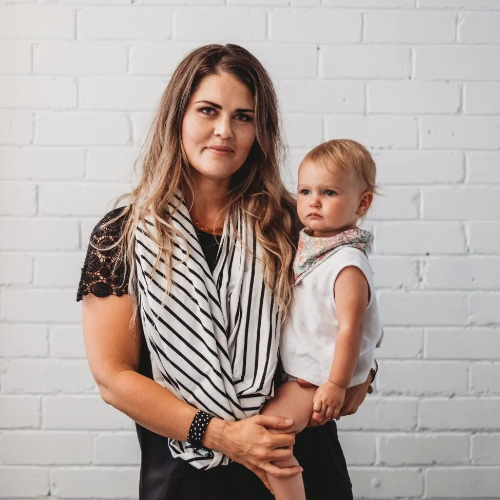


The best time to walk baby outside in winter is when temperatures are above 0°C, the wind is calm, and you have a good 20 to 30 minutes before the next feed. Most healthy newborns handle brief cold weather outings just fine, as long as they are dressed in proper layers and sheltered from wind and rain. Fresh air is good for baby and genuinely good for mum too. A little preparation makes all the difference.
What Temperature Is Safe to Take a Baby Outside?
The general guideline is to avoid taking newborns outside when it is below 0°C. Between 0°C and 10°C, short outings are fine with the right clothing. Above 10°C, a well-layered baby can stay out longer without concern.
At the warmer end, around 23°C and above, sun protection becomes the priority rather than warmth. Keep outings in direct sun brief for babies under six months. Raising Children Network recommends avoiding direct sun exposure for babies under 12 months during peak UV hours.
Wind chill matters as much as the thermometer reading. A 12°C day with strong wind can feel much colder on exposed skin. Check the feels-like temperature before you head out.
How to Dress a Baby for a Cold Weather Walk
The rule of thumb is one more layer than you are wearing. For a newborn in cool weather, that usually means a bodysuit, a warm sleep suit or outfit, a zip-up outer layer, and a hat that covers the ears.
- Start with a close-fitting base layer, a long-sleeve bodysuit works well.
- Add a warm mid layer, a footed sleep suit or knit set.
- Use a zip-up or button-up outer layer for easy on and off.
- Cover the head. Babies lose a significant amount of body heat through their heads.
- Keep hands and feet covered in very cold weather.
- Check the back of their neck every 10 to 15 minutes. It should feel warm, not hot or cold.
Avoid letting baby sleep in a thick outer layer or heavy jacket inside a pram or carrier. Once you are in a warm space, remove the extra layer. Red Nose Australia advises that overheating is a risk factor for newborns, so keeping a close eye on warmth cues matters in both directions.
A lightweight muslin wrap tucked over the pram or used as an extra layer in a carrier is worth having in your bag. It adds warmth, blocks wind, and folds down to nothing. If you are still figuring out what to pack, this guide to choosing the right muslin wrap for outings is a useful starting point.
Best Time to Walk Baby Outside in Winter
Midmorning is usually the sweet spot, somewhere between 10am and 12pm. Temperatures have climbed from the overnight low and the UV index is still manageable. Wind tends to be lighter earlier in the day too.
Avoid early morning walks in deep winter if temperatures are near zero. Late afternoon can work but watch for the temperature dropping quickly once the sun is lower.
Timing the walk between feeds also makes things calmer. A fed, rested baby settles more easily in a pram and gives you more time outdoors before needing to head back.
Can a 2 Week Old Baby Go Outside in the Cold?
Yes, with sensible precautions. There is no medical reason a healthy 2 week old needs to stay indoors in mild cold weather. Short, well-timed outings are fine. Keep them sheltered from direct wind, dress them in proper layers, and avoid crowds or enclosed spaces where the risk of illness is higher.
If your baby was premature or has any health concerns, check with your GP or maternal health nurse before heading out. If you are unsure about cold weather specifically, this article on taking a newborn outside in cold conditions covers the key considerations in more detail.
What to Pack for a Winter Walk With a Baby
Keeping a ready-to-go bag by the door removes the friction that makes outings feel harder than they need to be. A few things worth including for cold weather walks:
- A spare layer in case baby gets too warm or too cold.
- A muslin wrap for extra coverage in the pram or carrier.
- A change of nappy and a small wet bag.
- A dummy or comforter if your baby uses one.
- Your own warm layer, you stop moving when baby needs attention.
For a fuller packing checklist, the practical advice in what actually helps when leaving the house with a baby is worth a read before your next outing.
If you are building out your collection of go-to baby outerwear and layering pieces, browse our ready-for-anything outdoor essentials for options that work across seasons.